Movement for life: staying strong as you age
13 June 2026 · By Longevity Ambassador · Updated 17 June 2026
Use it or lose it
There is a common belief that getting weaker and stiffer is simply what happens as we age. Some decline is real, but far less of it is inevitable than most people assume. A great deal of what we blame on age is actually the result of disuse. Muscles that are not challenged shrink. Joints that are not moved through their range stiffen. Balance that is never practised fades.
The encouraging flip side is that the body responds to movement at every age. People in their seventies and eighties can build muscle and improve balance when they train. Movement is not just about feeling fit today. It is one of the strongest predictors of whether you stay independent and capable in your later years.
Why muscle matters more than people think
From around the age of thirty, adults gradually lose muscle mass unless they actively work to keep it. This loss, known as sarcopenia, speeds up later in life and quietly undermines everything from the ability to climb stairs to the ability to get up from a chair or recover from a fall.
Muscle does more than move you. It supports metabolism, helps regulate blood sugar, protects bones and acts as a reserve when illness strikes. Maintaining strength is one of the most valuable investments you can make in a long healthspan, yet it is often neglected in favour of walking alone.
The four kinds of movement to keep
A well rounded approach covers four areas, and you do not need a gym for any of them.
Aerobic activity
This is anything that raises your heart rate and breathing, such as brisk walking, swimming or cycling. It protects the heart, lungs and brain. Most days should include some. In the Mauritian climate, early mornings and cooler evenings are ideal, and the coastline and gardens make pleasant routes.
Strength
Two or three sessions a week that challenge your muscles. This can be bodyweight work such as squats, wall push ups and standing up repeatedly from a chair, or resistance bands, or carrying and lifting. The principle is simple: ask your muscles to do slightly more than they are used to, and they adapt.
Balance
Balance is a skill that erodes without practice and matters enormously, because falls are a leading cause of lost independence in older age. Practising standing on one leg while holding a counter, or walking heel to toe, takes minutes and pays off for years.
Flexibility and mobility
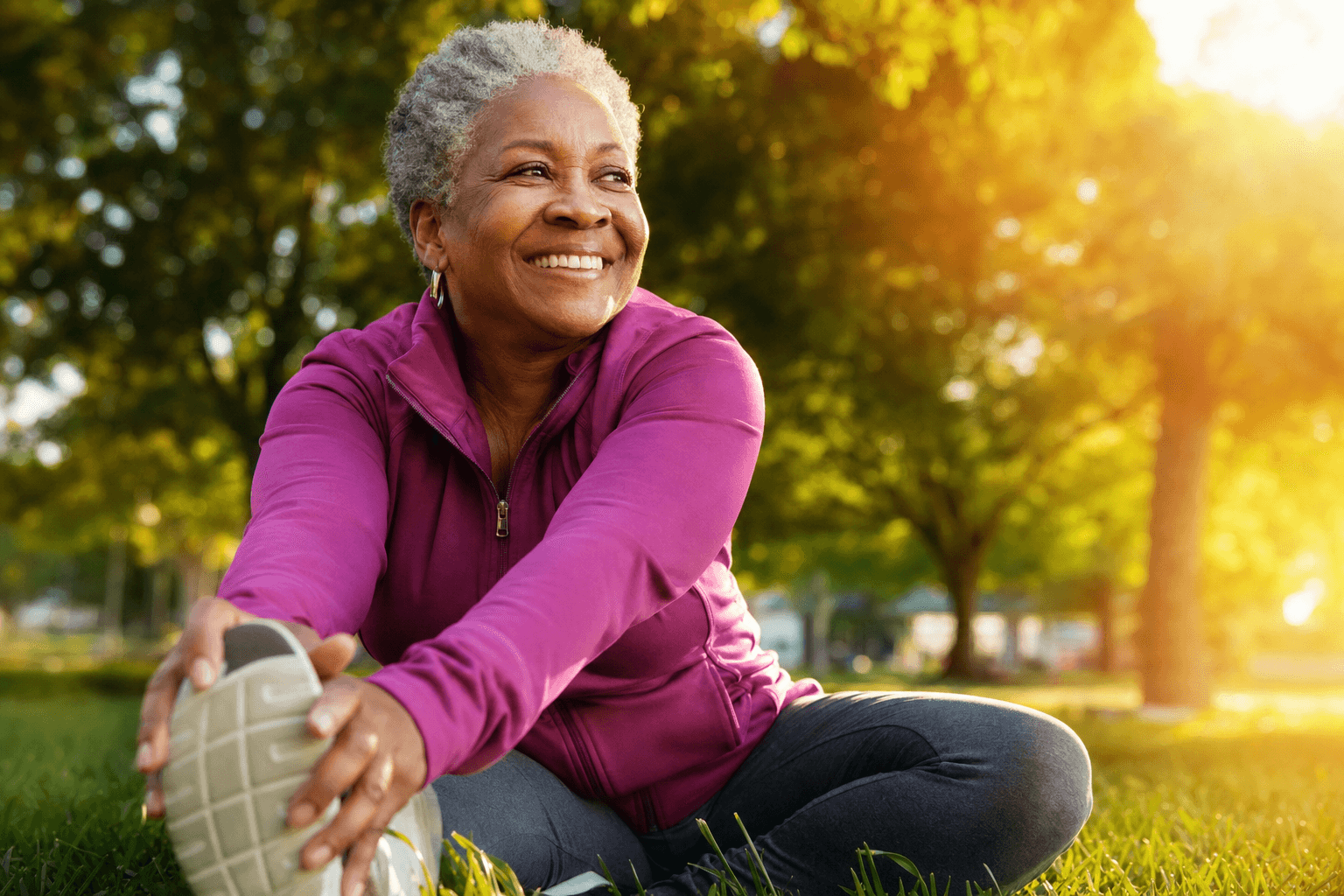
Gentle stretching and moving joints through their full range keeps you supple and reduces stiffness. Activities such as yoga or simple daily stretches serve this well.
Starting where you are
The right starting point is wherever you are now, not where you wish you were. If you are very inactive, a short daily walk and standing up from a chair a few times is a genuine and valuable beginning. If you are already active, the goal is to add the missing pieces, most often strength and balance.
Progress comes from gradually doing a little more over time. Add a few minutes, a little more weight, one more repetition. The body rewards consistency far more than intensity, and gentle steady progress avoids the injuries that derail enthusiastic beginners.
Making it part of life
The most sustainable movement is woven into daily life rather than bolted on. Take the stairs. Walk to the shop. Carry your own bags. Garden. Play actively with children or grandchildren. These ordinary activities add up and keep you strong without ever feeling like a workout.
It also helps to make movement social. Walking with a friend, joining a group, or exercising with family turns a chore into something you look forward to and are far more likely to keep.
A word of care
If you have a health condition, have been inactive for a long time, or feel unsure where to begin, a conversation with your doctor or a qualified trainer is worthwhile before starting something new. The goal is to move more for the rest of your life, and starting sensibly is part of that.
The long game
Staying strong is not about looking a certain way. It is about being able to live fully, to carry, climb, travel, play and stay independent deep into old age. Every session of movement is a deposit toward that future. The body you will have at eighty is being built by what you do, or do not do, today.
Every ambassador helps more people live longer, healthier lives. Explore the wider Healthspan health ecosystem.